 Branch Manager
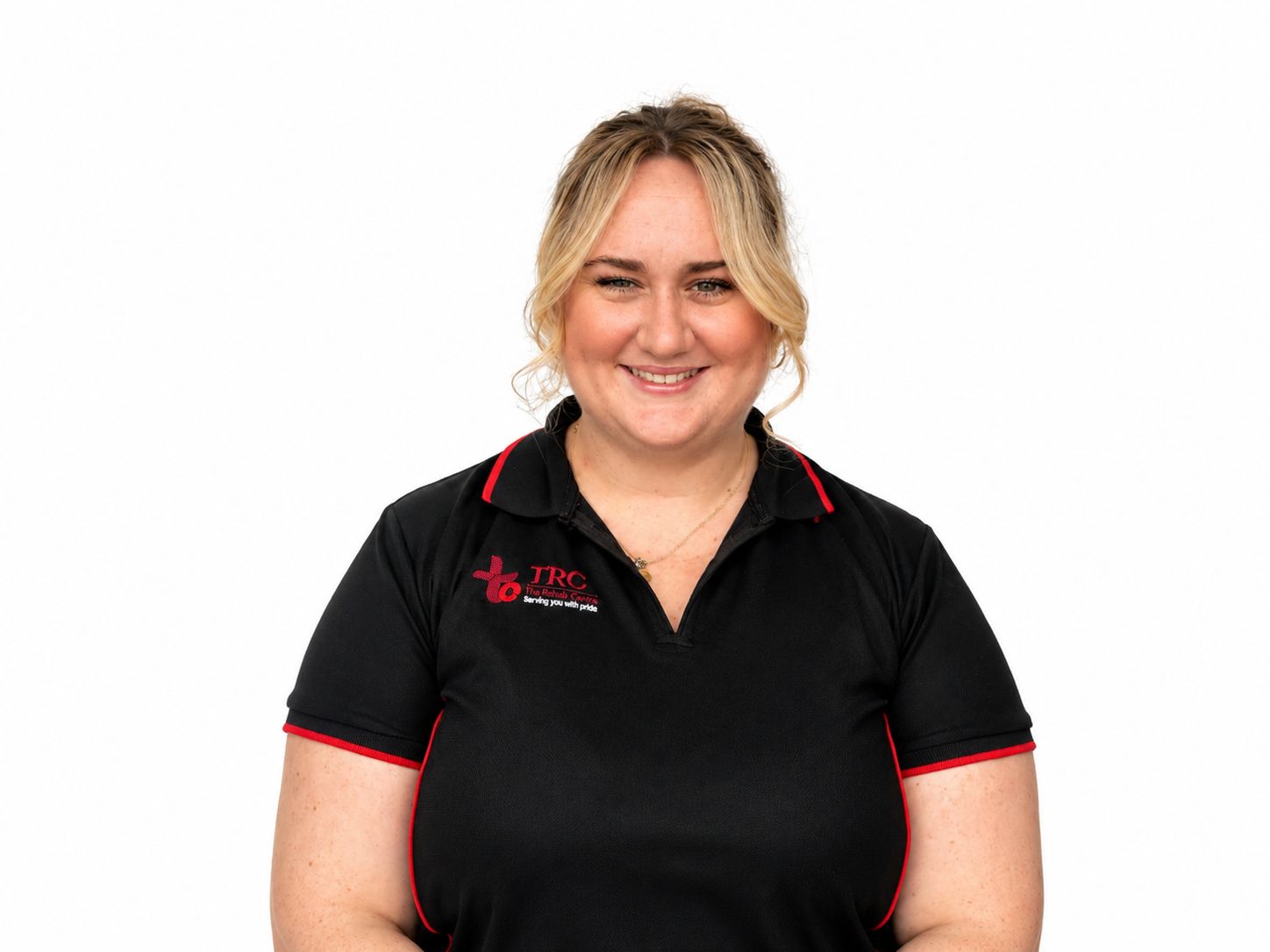
Talisha Bryden
Branch Manager, Occupational Therapist
Specialises in assistive technology, home modifications and cognitive therapy for people with neurological conditions.
About me

The Rehab Centre
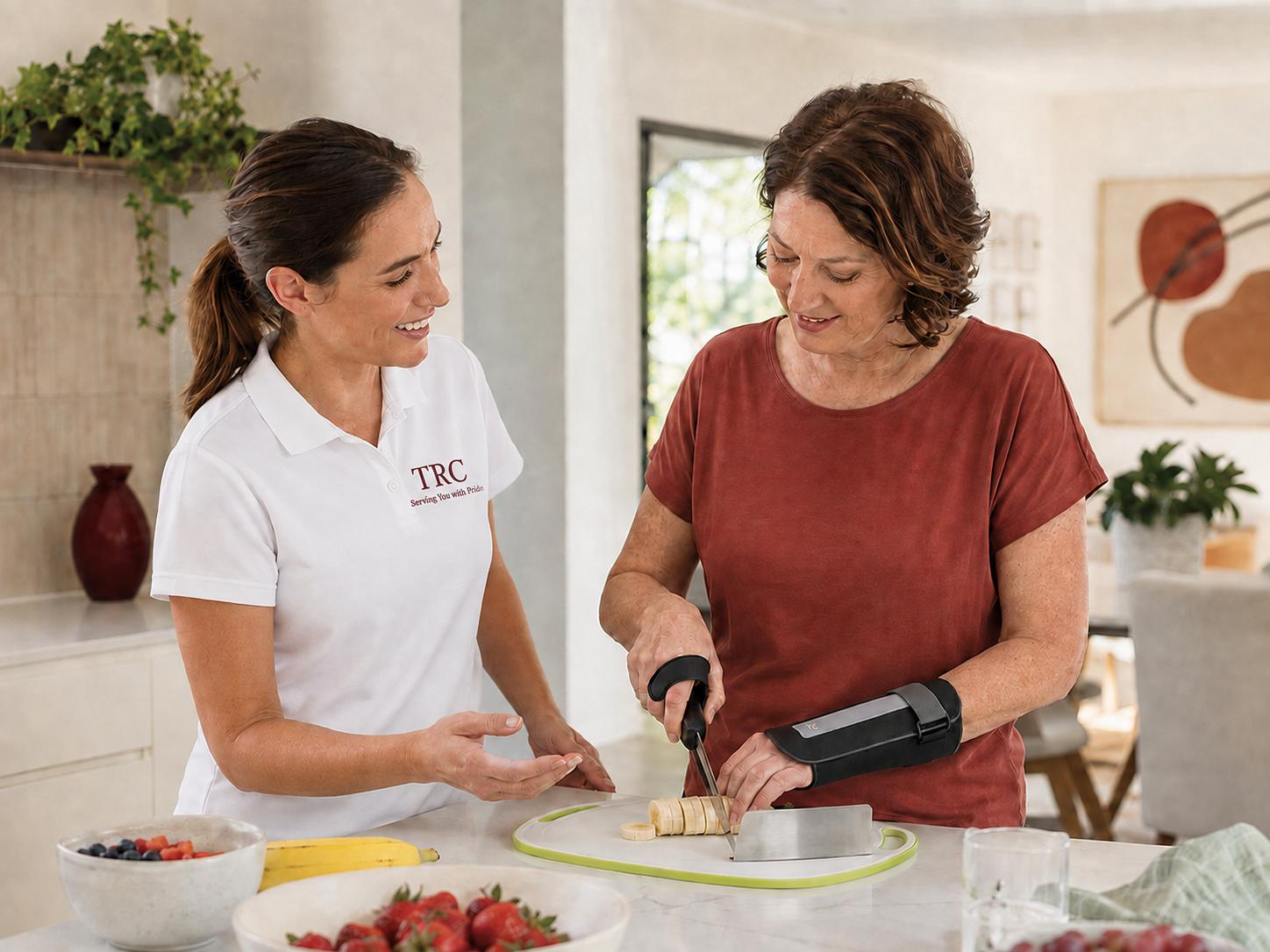
At The Rehab Centre, we believe everyone should have the opportunity to participate in the activities that bring meaning, purpose, and joy to their lives. Occupational therapy is about finding practical, personalised solutions that help you achieve your goals, build confidence, and maximise your independence.
Our occupational therapists work alongside you, your family, and your support network to understand what matters most to you. Whether you are looking to develop new skills, overcome challenges, adapt to changes, or improve your everyday wellbeing, we provide tailored support designed around your individual needs.
Because every person’s journey is different, we take a person-centred approach to occupational therapy. We focus on your strengths, listen to your goals, and work together to create strategies that are practical, achievable, and meaningful.
Our goal is to help you overcome barriers, feel more confident, and take part in the activities that are important to you. Whether you are seeking support for yourself, your child, or a loved one, our team is here to provide compassionate, evidence-based care.
An initial consultation is your first appointment with an occupational therapist and is designed to be a collaborative, client-centred experience. During this session, your OT will take the time to get to know you and develop a comprehensive understanding of your individual circumstances.
The OT will ask lots of questions so they can get insight into your:
Your OT may conduct assessments to gain a better understanding of your areas of difficulty and your functional ability. These assessments help identify factors that may be affecting your participation in everyday activities, establish a baseline of performance and help inform their recommendations and interventions so they are tailored to your individual needs.
You will also get the opportunity to ask questions and learn more about how occupational therapy can support you. Our aim is to ensure you leave your initial appointment feeling informed and supported so that we can help you to achieve your goals and participate in meaningful activities.
Functional Capacity reports are an important requirement within the NDIS. They outline the supports that have been delivered to a participant, the outcomes achieved, and the ongoing impact of these supports on the participant’s daily life. These reports provide evidence to assist the NDIS in determining what supports a participant requires and what should be included in their next plan.
A Functional Capacity Assessment (FCA) is a comprehensive assessment completed by an occupational therapist. It explores how a person’s physical, cognitive, psychosocial and emotional functioning impacts their ability to participate in everyday and meaningful activities.
FCAs are available for NDIS participants at every stage of life and are individually tailored to each participant.
As part of the assessment process, your occupational therapist will complete an information-gathering session. This helps ensure all relevant information is collected to support a thorough and accurate report.
Following the assessment, your OT will prepare a detailed Functional Capacity Report outlining the assessment findings, current level of functioning, recommended supports, and evidence-based occupational therapy recommendations.
Once the report has been completed, a copy will be provided to you and any relevant stakeholders for review before it is submitted to the NDIA. This collaborative and client-centred process helps ensure the report accurately reflects the participant’s circumstances, goals and support requirements.
Our occupational therapists can provide Supported Independent Living assessments and reports to evaluate an individual’s functional capacity, and the level of support required to support independent living. The OT will outline the participant’s current level of functioning, recommended support ratios and evidence-based recommendations to inform SIL funding.
Supported Independent Living (SIL) is an NDIS support that funds assistance from support workers to help participants live as independently as possible. SIL funding covers the support provided by support workers; it does not fund the housing itself. Depending on an individual’s support needs, SIL may involve one-on-one support or shared support arrangements where one support worker assists multiple participants. A SIL can help a participant:
Our OTs work collaboratively with participants, families, support coordinators and providers to ensure SIL recommendations accurately reflect each person’s functional needs, goals and support requirements.
Our occupational therapists provide Specialist Disability Accommodation (SDA) assessments and reports to determine whether a participant’s functional impairment or extreme support needs meet the NDIS eligibility requirements for SDA funding. The assessment explores how a person’s disability impacts their ability to safely access and use their home, complete everyday activities, and maintain independence. A comprehensive report will be prepared, outlining the participant’s functional capacity, current living environment, housing barriers, and evidence-based recommendations to support an SDA funding application.
Specialist Disability Accommodation (SDA) is an NDIS support that funds specialist housing for people with extreme functional impairments or very high support needs.
SDA may benefit participants who require housing with specialist design features to:
There are different types of SDAs; your OT can help support the recommendation and provide education on the best option. Our OTs work collaboratively with participants, families, support coordinators and providers to ensure SDA recommendations accurately reflect each person’s complex needs to support long-term independence and quality of life.
Our paediatric occupational therapists support children and young people to build the skills, confidence and independence they need to participate in everyday activities across multiple settings. We provide individualised, strengths-based and interest-based OT sessions that are tailored to each child’s goals, needs and stage of development.
Our paediatric OTs support children and young people across a range of areas, including:
Therapy sessions are tailored to each child or young person’s individual needs and may include structured activities, play-based interventions and functional tasks that work towards their therapy goals. We work collaboratively with families, carers, educators and other professionals to support children to build confidence, independence and participation across the environments that matter most to them, including at home, school, work and within the community.
We offer school holiday programs designed to support children and young people to build practical skills in a fun, collaborative, supportive and engaging environment. Programs are developed based on participant interests and identified needs, with each group tailored to encourage confidence, participation and meaningful skill development. We currently offer the following school holiday programs:
If you are interested or require more information, please contact us at:
Ph: 07 4455 2000
Email: welcome@trcclinic.com.au
Our occupational therapists work with adults to support them to maximise independence, build capacity and participate in the activities that are meaningful to them. We provide personalised, goal-directed therapy that considers each person’s strengths, challenges, lifestyle and individual support needs.
Our OTs support adults across a range of areas, including:
Occupational therapy interventions are tailored to each individual to promote person-centred and meaningful support. We work collaboratively with families, carers, support workers and other professionals to empower participants to maintain independence, build confidence and continue participating in the activities that matter most to them.
Capacity Building supports are designed to help NDIS participants develop skills, increase independence and build confidence in everyday life. The NDIS identifies the following categories as Capacity Building supports:
Occupational therapy falls under Capacity Building because it supports participants to develop the skills, knowledge and confidence needed to increase independence and participate more meaningfully in daily activities. OT services are tailored to each participant’s individual goals and may support areas such as:
Through Capacity Building supports, occupational therapy helps participants work towards greater independence and participation in the activities that matter most to them.
Our occupational therapists can assess your home environment and assist with non-complex home modifications to improve your home’s safety, accessibility and allow you to be more independent. Home modification recommendations are based on your functional needs, home environment and identified goals to support safe and meaningful participation at home.
Examples of non-complex home modifications include:
Where more complex home modifications are required, your OT will discuss appropriate referral pathways to ensure you receive suitable assistance for your needs.
At The Rehab Centre, we are committed to improving access to Occupational Therapy services for individuals living in rural and remote areas. Our dedicated outreach OT provides high quality services across Queensland, ensuring clients can access required services within their home.
We currently offer outreach services to:
Our outreach OT works with people across the lifespan and provides a range of Occupational Therapy services, including Functional Capacity Assessments and reports, capacity building interventions, minor home modifications, assistive technology, and equipment prescription. They offer a flexible and person-centred approach, meeting participants in environments where they feel most comfortable and that are most convenient for them, including in the community, at home or at school.
Meet the clinicians who deliver person-centred occupational therapy across Townsville and our outreach regions. Explore a short snapshot below, then open each profile for the full story.
Branch Manager
Branch Manager, Occupational Therapist
Specialises in assistive technology, home modifications and cognitive therapy for people with neurological conditions.
About me
Occupational Therapist
Supports children and young people with developmental goals and the transition into adulthood.
About me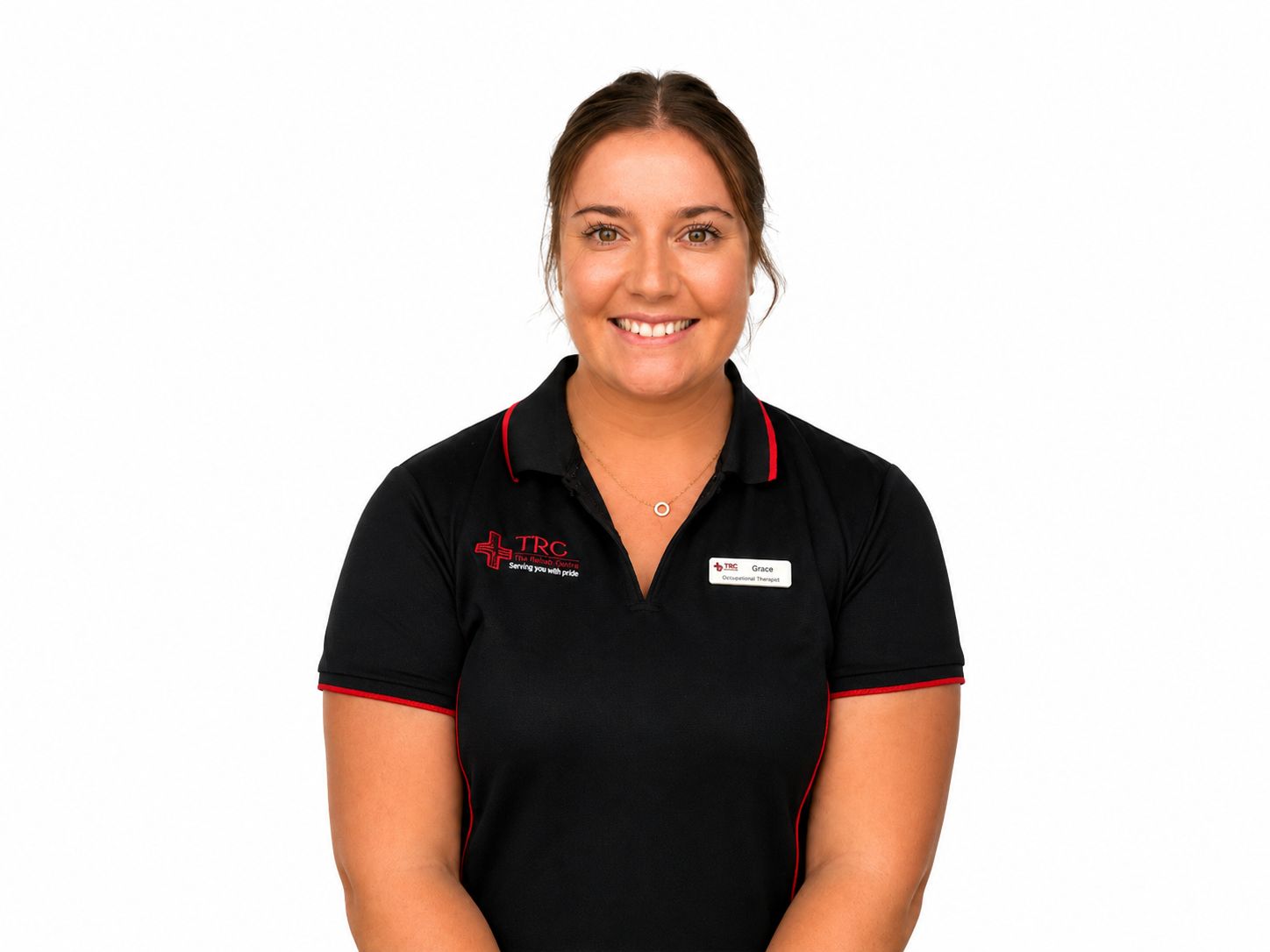
Occupational Therapist
Generalist OT with a passion for wheelchair scripting, neurological conditions and capacity building.
About me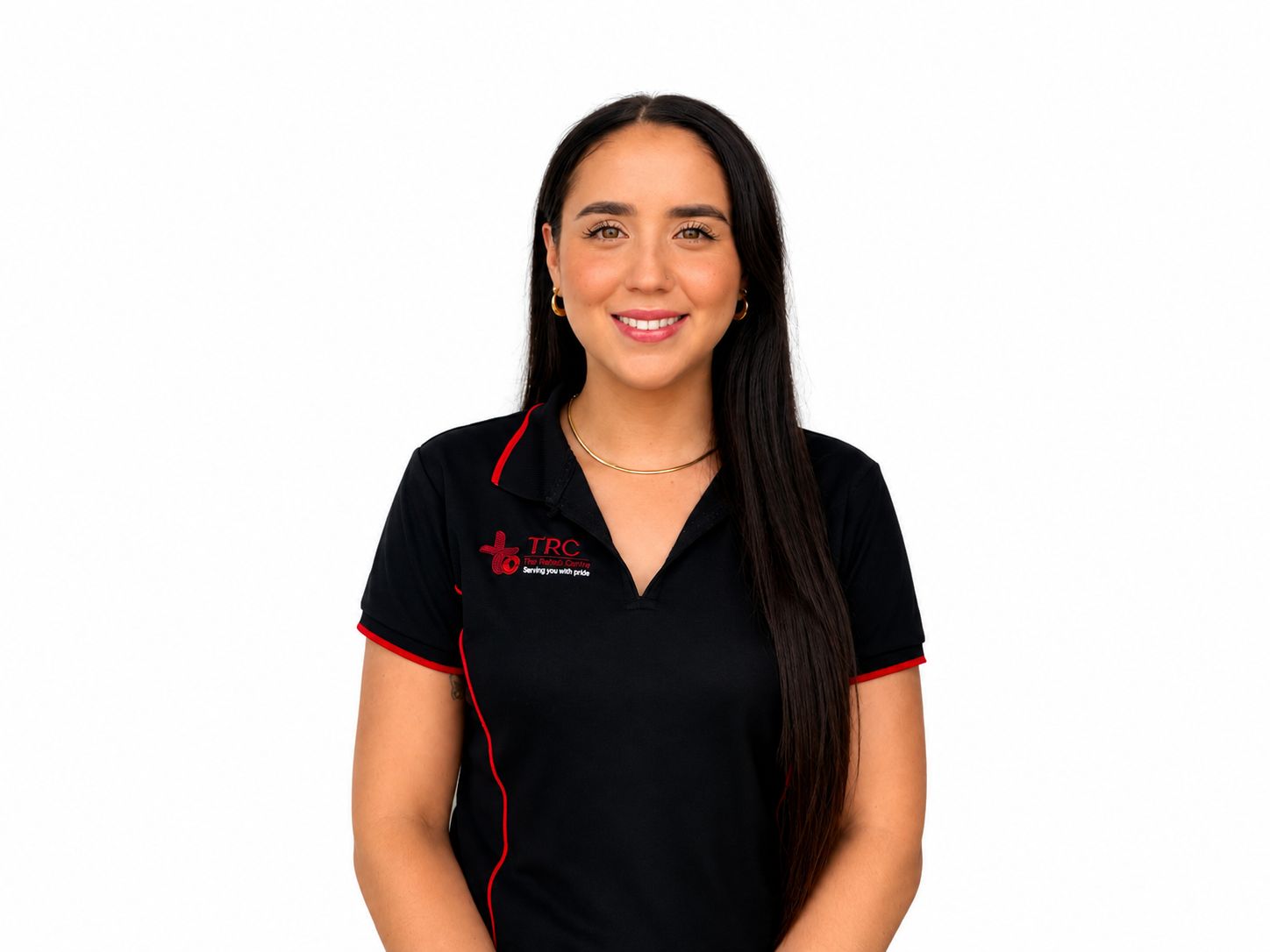 Outreach
Outreach Occupational Therapist
Delivers community NDIS services across Far North Queensland, Charters Towers and Mount Isa.
About me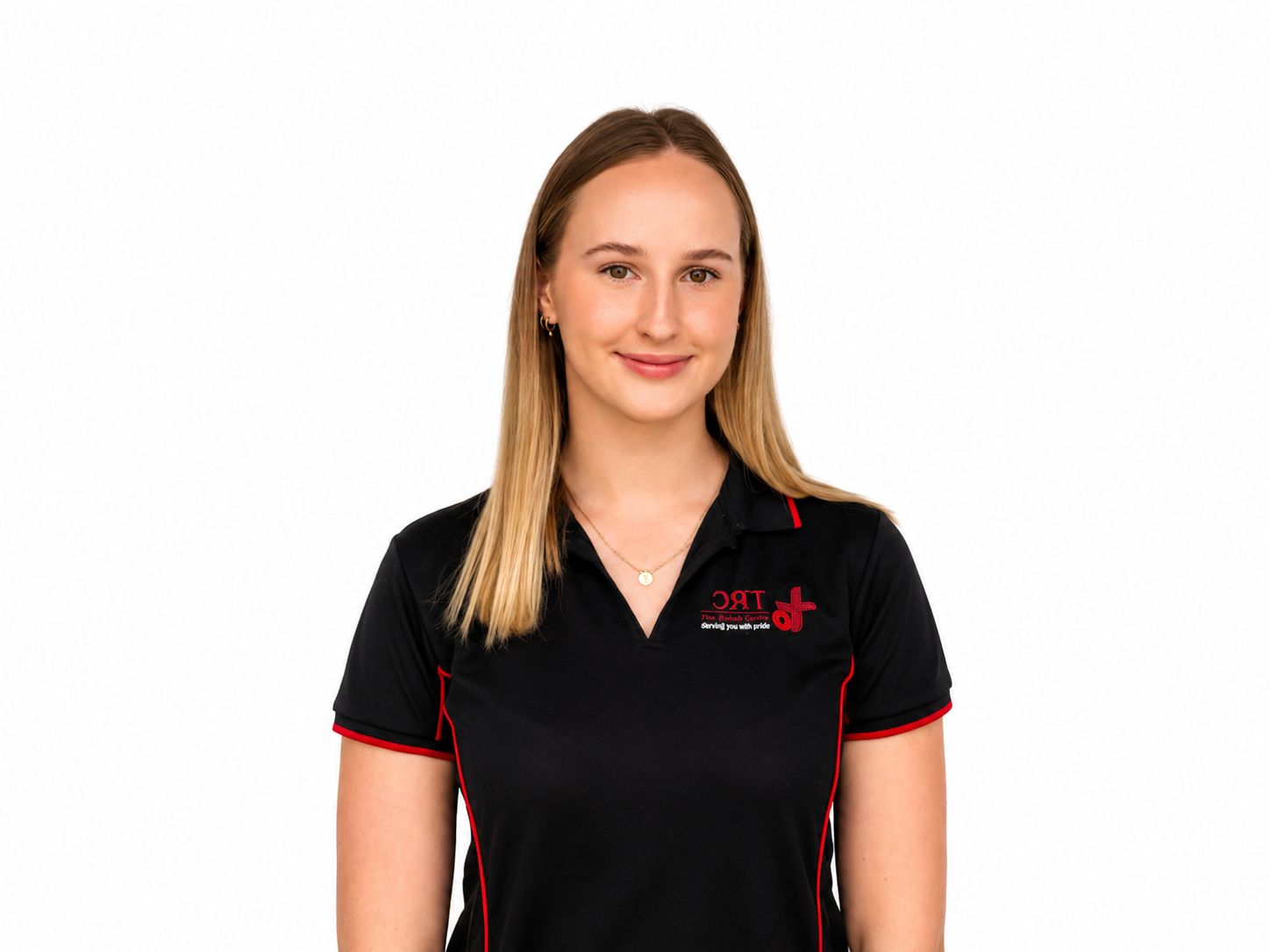
Occupational Therapist
Creates engaging, collaborative sessions for paediatric clients and young adults.
About meOccupational Therapist
Sophie will join the TRC occupational therapy team once registration is complete.
About meContact us today to learn how occupational therapy can support you to live a more independent and fulfilling life.
Get a referralDrop us a message and our friendly team will get in touch!